What is Bitcoin in Simple Words: A Clear Guide
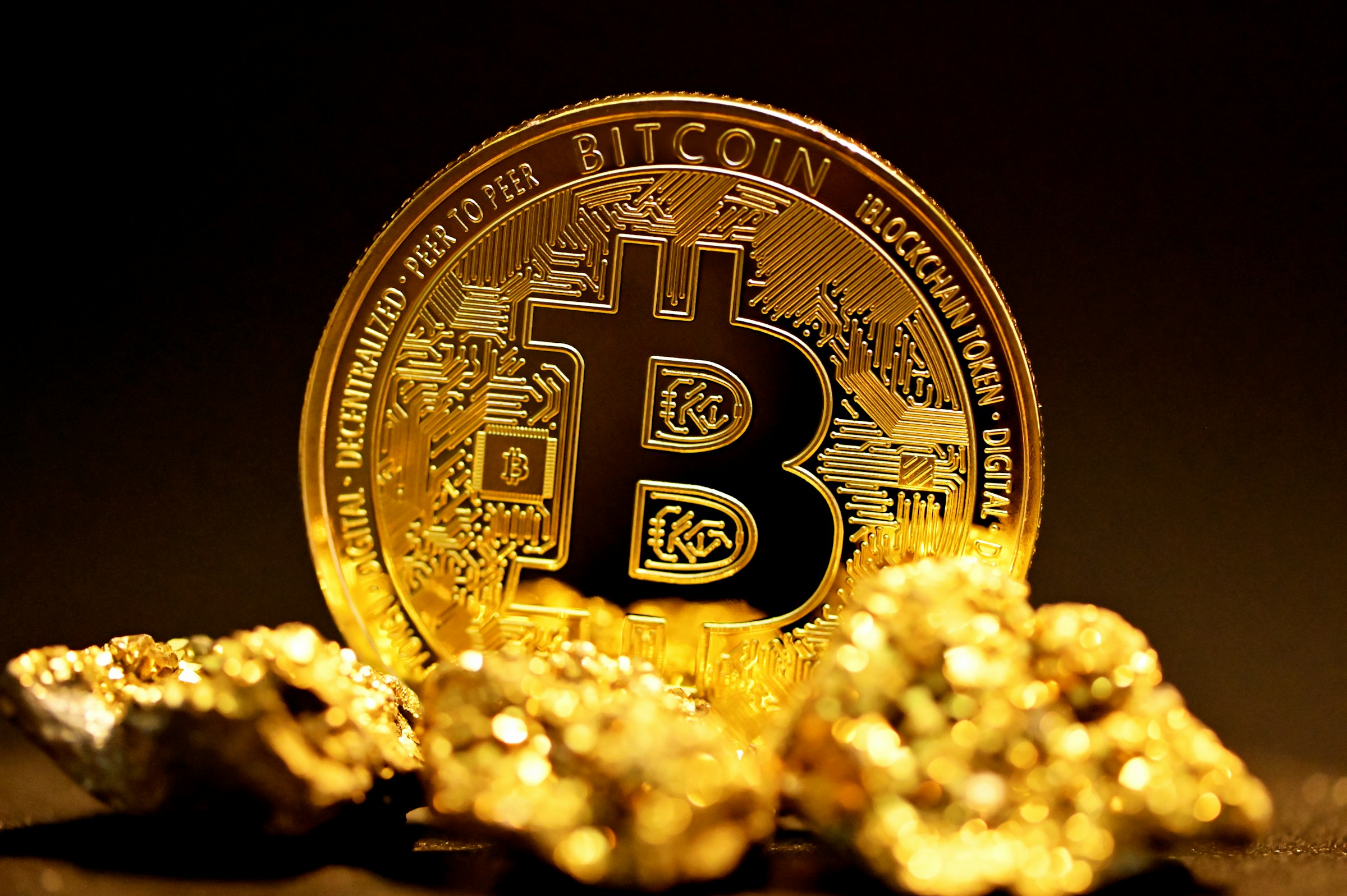
Bitcoin is digital money that you can send to anyone in the world without using a bank. You do not need a credit card company, a government, or a middleman to clear the trade. It works day and night, straight from one person to another.
Think of it like cash for the internet. When you hand a five dollar bill to a friend, no bank stands between you to check the transaction. Bitcoin brings that exact same direct feel to digital payments, whether your friend lives next door or ten thousand miles away.
How Does Bitcoin Actually Work?
To get Bitcoin, you do not open a bank account. You get a software app called a wallet on your phone or computer. This wallet holds special private keys, which are like super secret passwords that prove your coins belong to you.
When you send money, your wallet broadcasts a message to a huge network of computers around the globe. These computers check that you actually have the money to send. They do not care about your name, your address, or your credit score. They only check the math.
Every few minutes, workers called miners bundle thousands of these checks together. They add them to a shared public record book that everyone can view. Once a transaction gets written into this public book, nobody can erase it or change the numbers.
back in 2010, a man famously bought two large pizzas for ten thousand Bitcoins. Today, those same coins would be worth hundreds of millions of dollars. That wild change shows how much the system has grown from a tiny experiment into a global network.
Why Do People Use Bitcoin Instead of Regular Money?
Regular money, like dollars or euros, can be printed whenever a government decides to make more. When governments print massive amounts of new bills, the money in your pocket buys less stuff over time. We call that inflation.
Bitcoin is completely different because it has a strict rule built right into its code. There will only ever be 21 million Bitcoins created. Ever. No president, CEO, or company can press a button to print more of them.
Here are four simple reasons people choose to use it:
- No middleman: You control your funds without asking a bank for permission to spend your own money.
- Global reach: Sending money to another country takes minutes instead of taking three to five business days.
- Fixed limit: The total supply can never go higher than 21 million coins, which protects it from easy money printing.
- Open to all: Anyone with a basic internet connection can join the network for free.
Imagine sending money back home to family across the ocean. Traditional wire services often charge heavy fees and take days to process payments. A Bitcoin transfer moves fast, costing just a fraction of those old bank fees regardless of where it travels.
What Makes Bitcoin Prices Go Up and Down So Much?
The price of Bitcoin changes every single second of the day. Unlike physical gold or government bonds, it never sleeps. It trades on global markets from Monday through Sunday, all year long.
Prices move based on simple supply and demand. If millions of people want to buy coins at the same time, the price shoots up fast. If bad news breaks out and buyers get scared, people sell quickly, and the price drops like a rock.
In late 2017, one coin jumped close to twenty thousand dollars before crashing down by more than eighty percent the next year. Then in 2021, it rallied all the way past sixty thousand dollars. These huge swings can make your head spin if you check your phone every five minutes.
Because the price moves so violently, smart beginners never put in money they need for rent or groceries next week. Treat it like a high risk asset, not a safe savings account at your local credit union.
What Are the Biggest Risks You Should Know About?
Bitcoin offers great freedom, but freedom brings personal responsibility. When you manage your own digital cash, there is no customer service hotline to call if you make a mistake. If you lose your secret keys, your money is gone forever.
Scammers also love to target new people who do not fully understand the tech yet. Fake websites, pushy fake investment managers, and trick emails pop up everywhere online. You can read our full post on Crypto Scams and How to Stay Safe: A Beginner Guide to protect your hard earned cash from common traps.
Another risk comes from technical mistakes. If you accidentally send funds to the wrong address, you cannot file a chargeback. The network carries out your commands exactly as written, with zero mercy for typos.
Governments can also create new rules that make trading harder in certain countries. While no government can shut down the whole network, heavy legal rules can lower the market price and make it tricky to swap your coins back into cash.
How to Keep Your Digital Money Safe
If you decide to try holding a tiny bit of coin, safety must come first. Never keep large amounts of money on an exchange site where you bought it. Exchanges can get hacked or go out of business without warning.
Move your funds into a personal wallet where you hold the private keys yourself. Write your recovery phrase on a real piece of paper using a pen. Never take a digital photo of that paper, and never save it inside your computer or phone notes app.
Keep that piece of paper tucked away in a safe, dry spot in your home. If your phone breaks or falls into a lake, that written seed phrase is the only way to recover your assets on a new device.
You can read more tips and news on our main page about understanding beginner crypto concepts to keep learning before taking any big steps.
Is Bitcoin Real Money or Just an Investment?
People debate this question every day on TV and online. Some folks view it purely as digital gold, a special place to store wealth so it does not lose value over ten or twenty years. They rarely plan to spend it on coffee or groceries.
Others use it as daily digital money. Small coffee shops, online sellers, and even some large tech stores take it as a normal payment option today. You scan a quick QR code on your phone, confirm the order, and walk away with your goods.
Both views hold true depending on how you choose to use it. You can read more historical facts about Bitcoin on Wikipedia to see how its usage has changed since it started back in 2009.
Right now, it acts as a hybrid. It is part alternative currency, part global tech network, and part high risk investment asset. As the technology improves, it will likely become far easier for everyday shoppers to use without thinking twice.
Simple Steps to Get Started Slowly
Starting out does not mean buying a whole coin for thousands of dollars. You can buy tiny fractions of a single coin for as little as five or ten dollars. Each coin splits into one hundred million small pieces called satoshis.
If you feel curious, take small, careful steps instead of jumping in with both feet. Here is a simple checklist to follow:
- Learn first: Read plain guides and watch simple videos until you truly understand the basics.
- Start tiny: Only test the waters with an tiny amount of cash you can afford to lose completely.
- Pick a safe exchange: Choose a large, well known service that has operated safely for years.
- Secure your keys: Set up strong passwords and write down your backup words on paper.
Do not feel rushed by hype online or friends telling you to buy right away. Taking your time helps you avoid expensive beginner mistakes and keeps your personal stress low.
What is the most interesting thing you learned about digital cash today? Take your time, stay curious, and always protect your personal keys before you ever move a single cent.


Comments
Post a Comment